More Time for the Patient: Echomedic Tested at St. Olavs Hospital
A simulation at St. Olavs Hospital shows how Echomedic can reduce the documentation burden and produce a more structured basis for the medical record.
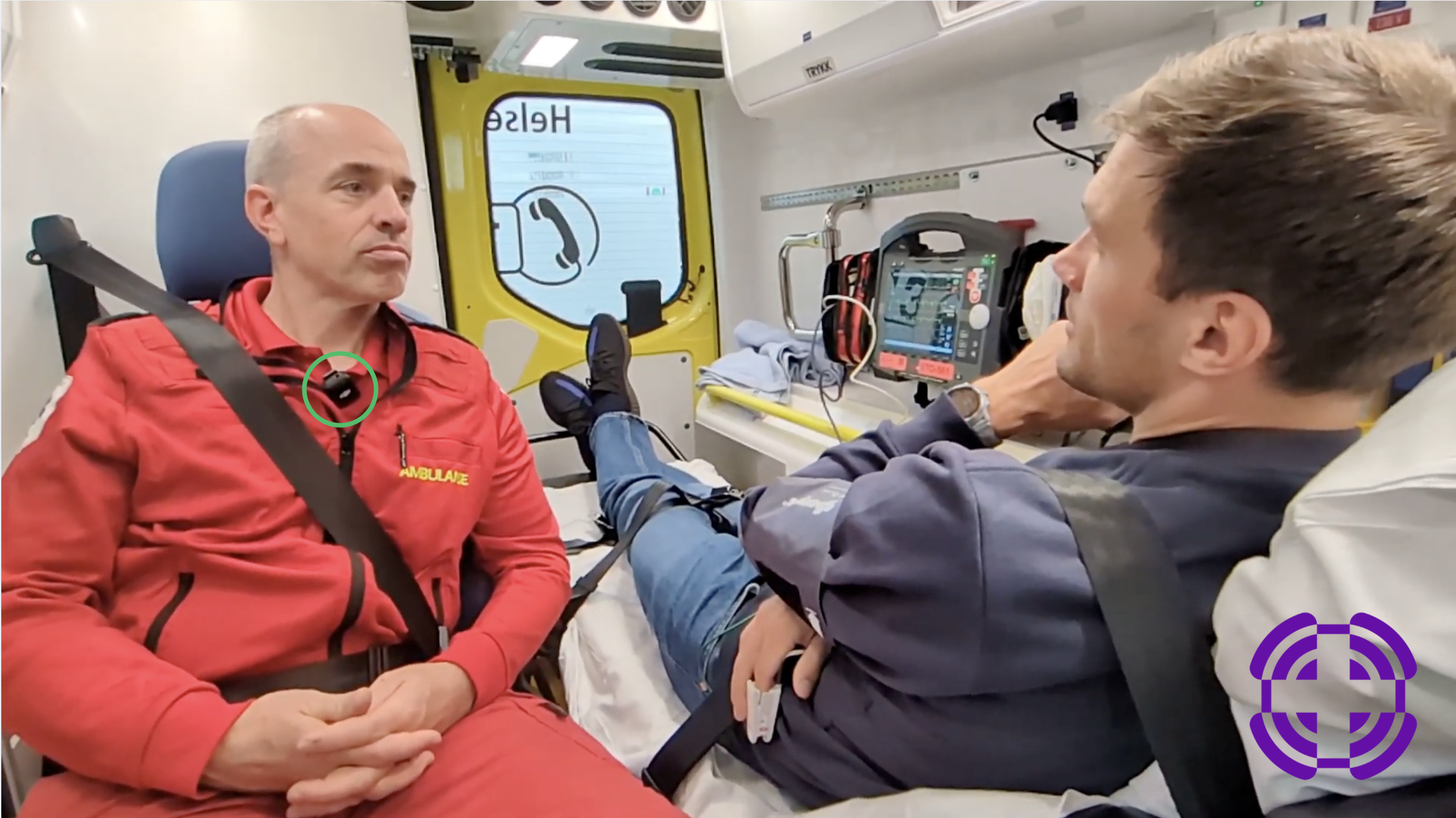
In a single dispatch, the paramedic spent nearly 7 minutes looking at the screen. Patient contact was interrupted 10 times.
This was the starting point for a new insight and feasibility study at St. Olavs Hospital, where Echomedic was tested as a tool for real-time documentation.
More Focus on the Patient
In the simulation, Echomedic was used to document patient history, measurements, and interventions on an ongoing basis, based on what was said during the mission.
The result was clear: The paramedic could maintain full focus on the patient while documentation happened in the background. Less multitasking, lower cognitive load, and more continuous patient contact.
Structured Foundation for EPR
When the documentation basis from Echomedic is transferred to the EPR, it is structured and timestamped. In the simulation, documentation was written continuously during the mission rather than entered manually afterwards.
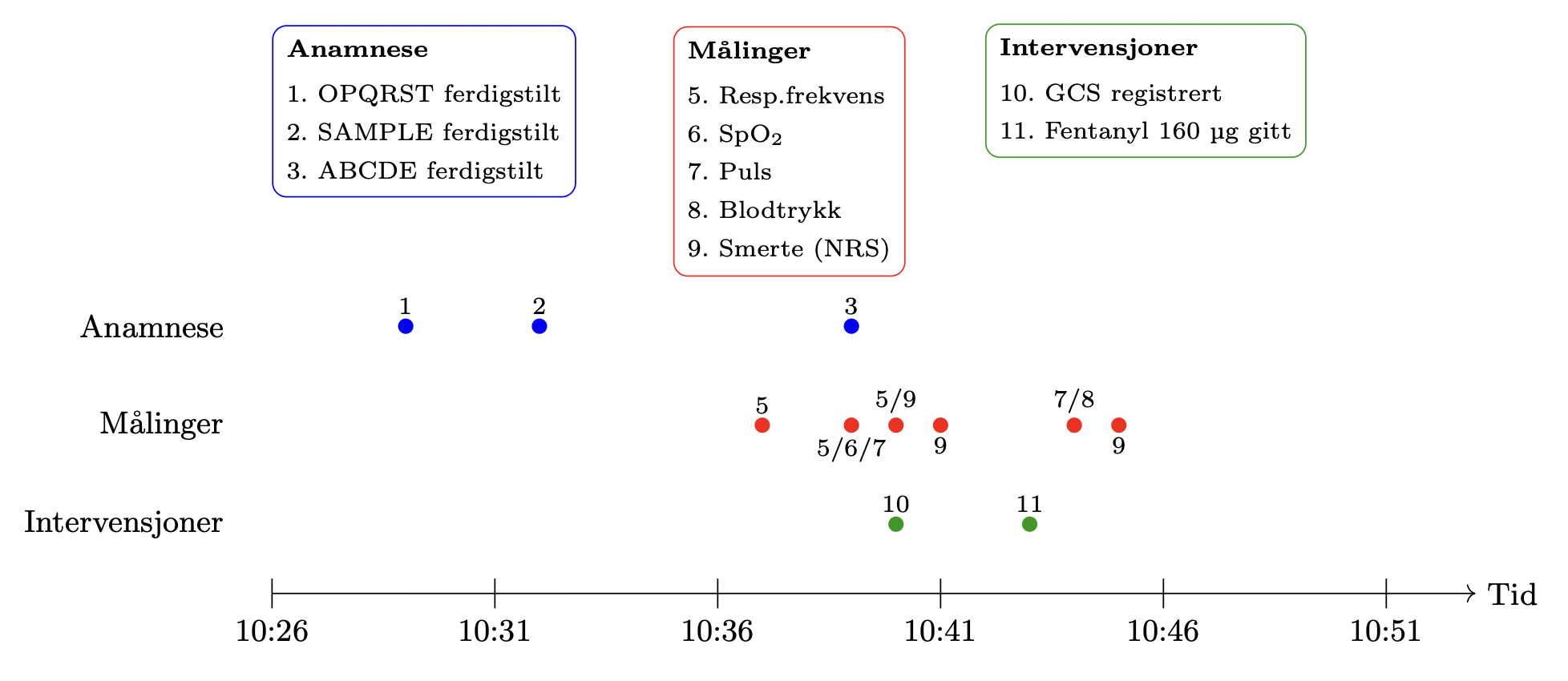
The mission is documented as it happens and in a consistent structure.
More Robust Documentation
Echomedic also provides continuous documentation that remains available even when there is little time for screen work during the mission, contributing to a more unified basis for the record throughout.
The Road Ahead
The feasibility study is based on one simulated dispatch and does not represent a formal effect study, but the findings point to clear potential for easing the documentation workload. The next step is further testing in real missions.
Based on an insight and feasibility study conducted in collaboration with Prehospital Common Services and St. Olavs Hospital.